
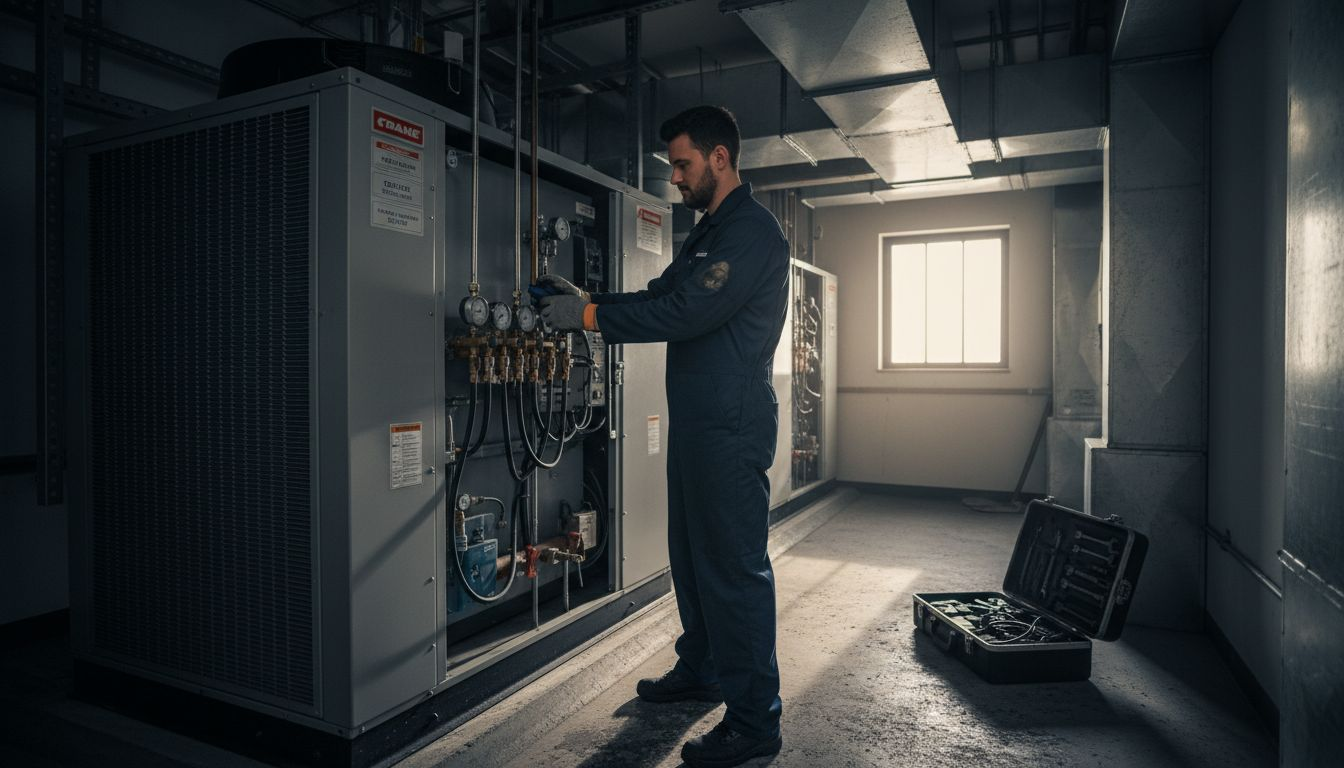
Most American businesses in Central Florida discover that HVAC expenses make up a significant portion of operating costs, sometimes reaching as much as 40 percent of total energy bills. Managing a comfortable indoor environment for tenants and employees can feel like a daily balancing act. Understanding the specialized purpose and advanced design of commercial HVAC systems offers local property managers and owners a path to smarter spending and consistently reliable comfort.
Table of Contents
- Commercial HVAC: Purpose and Key Differences
- Types of Commercial HVAC Systems Explained
- How Commercial HVAC Systems Operate
- Energy Efficiency and Cost Considerations
- Maintenance, Repairs, and Compliance Needs
Key Takeaways
| Point | Details |
|---|---|
| Commercial HVAC Systems Are Complex | Designed for non-residential spaces, these systems manage temperature, humidity, and air quality across large environments. |
| Energy Efficiency Is Crucial | High-performance technologies can reduce energy consumption significantly, turning HVAC into a strategic opportunity for cost savings. |
| Regular Maintenance Is Essential | A robust maintenance strategy minimizes unexpected downtime and extends equipment lifespan. |
| Compliance with Regulations Is Mandatory | Adherence to industry standards for ventilation and indoor air quality is crucial for successful HVAC management. |
Commercial HVAC: Purpose and Key Differences
Commercial HVAC systems represent sophisticated environmental control technologies specifically engineered for non-residential spaces. Unlike residential systems, these complex networks are designed to manage temperature, humidity, and air quality across large, multi-occupant environments such as office buildings, hospitals, and industrial facilities. High-performance HVAC technologies integrate advanced engineering principles to deliver precise thermal management and operational efficiency.
The fundamental purpose of commercial HVAC systems extends far beyond basic temperature regulation. These systems must accommodate diverse occupancy levels, varied environmental requirements, and strict performance standards. Commercial HVAC solutions typically incorporate more robust components, multiple zone controls, and sophisticated monitoring systems that can adapt to changing internal conditions. They often include centralized control mechanisms that enable real-time adjustments, energy optimization, and comprehensive indoor air quality management.
Key differences between commercial and residential HVAC systems are substantial and multifaceted. Commercial systems are significantly larger, more modular, and engineered with greater complexity to serve expansive spaces. While residential units might handle a single living environment, commercial HVAC must simultaneously manage intricate thermal needs across different building sectors. These systems frequently utilize rooftop units, complex ductwork, multiple air handling units, and advanced filtration technologies that residential systems do not require.
Pro tip: When evaluating commercial HVAC solutions, prioritize systems with scalable zone controls and energy management capabilities to maximize operational flexibility and cost-effectiveness.
Types of Commercial HVAC Systems Explained
Commercial HVAC systems are diverse and complex, with multiple configurations designed to meet specific building requirements. Commercial HVAC technologies can be broadly categorized into several primary system types, each with unique characteristics and applications. Understanding these variations helps businesses select the most appropriate environmental control solution for their specific needs.
The primary types of commercial HVAC systems include unitary systems, packaged rooftop units, variable air volume (VAV) systems, and central plant systems. Unitary systems are typically used in smaller commercial spaces and provide localized heating and cooling. Packaged rooftop units are popular for mid-sized buildings, offering an all-in-one solution that combines heating, cooling, and air handling capabilities. These units are particularly advantageous for businesses seeking compact, efficient environmental control systems that can be easily installed and maintained.
Variable Air Volume (VAV) systems represent a more advanced approach to commercial climate management. These sophisticated systems dynamically adjust air volume and temperature based on real-time occupancy and thermal requirements. Unlike traditional constant volume systems, VAV configurations can significantly reduce energy consumption by delivering precise amounts of conditioned air to different building zones. Central plant systems, typically found in large commercial facilities like hospitals, universities, and office complexes, utilize centralized equipment such as chillers, boilers, and cooling towers to manage environmental conditions across expansive spaces.
Pro tip: When selecting a commercial HVAC system, carefully assess your building’s specific square footage, occupancy patterns, and energy efficiency goals to choose the most appropriate technological configuration.
Here’s how commercial HVAC system types stack up for various building needs:
| System Type | Best For | Space Requirements |
|---|---|---|
| Unitary System | Small shops and offices | Minimal, local installation |
| Rooftop Package | Mid-sized retail and offices | Rooftop access, compact design |
| VAV System | Large offices and schools | Custom zones, flexible layout |
| Central Plant | Hospitals, campuses | Centralized, extensive footprint |
How Commercial HVAC Systems Operate
Commercial HVAC systems function through a sophisticated network of interconnected components designed to maintain precise environmental conditions in large spaces. Building automation systems orchestrate complex interactions between heating, cooling, and ventilation equipment to ensure optimal indoor comfort and air quality. These systems go far beyond simple temperature regulation, incorporating advanced technologies that dynamically respond to changing environmental conditions.
At the core of commercial HVAC operation are key components like air handling units (AHUs), chillers, boilers, and extensive ductwork networks. Air handlers play a critical role by conditioning outside air, regulating temperature and humidity before distributing it through carefully designed duct systems. Variable air volume (VAV) boxes provide granular control, allowing different zones within a building to receive precisely controlled air volumes based on specific thermal requirements. Compressors, condensers, evaporators, and sophisticated control mechanisms work in concert to transfer heat, manage refrigeration cycles, and maintain consistent indoor environments.
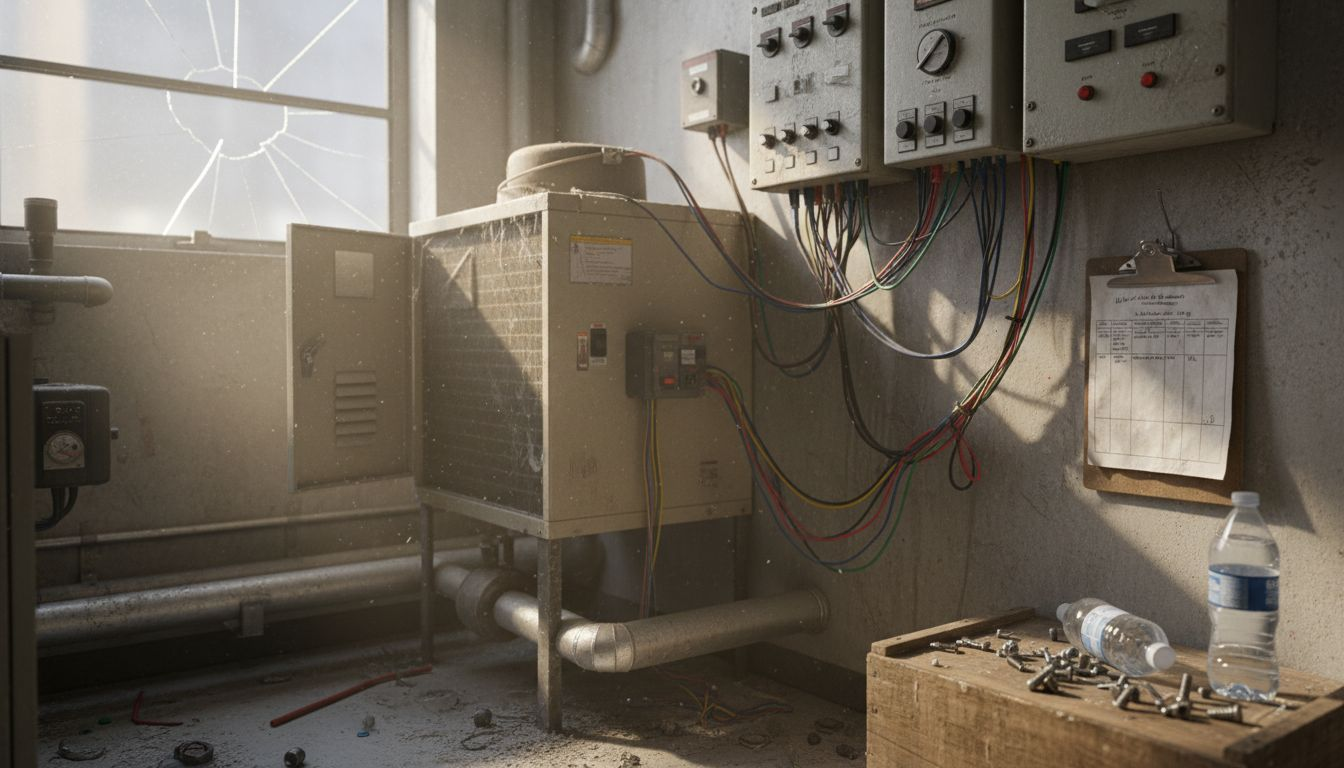
The operational complexity of commercial HVAC systems extends to their environmental management capabilities. Advanced control systems continuously monitor and adjust multiple parameters, including supply air temperature, duct static pressure, humidity levels, and outdoor air intake. These systems employ sensors and algorithmic controls to optimize energy efficiency, detect potential equipment malfunctions, and maintain ideal indoor air quality. By introducing and circulating appropriate amounts of fresh outdoor air, commercial HVAC systems help mitigate indoor contaminants, regulate CO2 levels, and create healthier workplace environments.
Pro tip: Implement regular preventative maintenance and invest in building automation technologies to maximize your commercial HVAC system’s performance, energy efficiency, and operational longevity.
Energy Efficiency and Cost Considerations
Commercial HVAC systems represent a significant investment with far-reaching financial implications for businesses. High-performance HVAC technologies can potentially reduce energy consumption by 10-40%, transforming what was traditionally viewed as a cost center into a strategic opportunity for operational optimization. Understanding the complex economic landscape of commercial HVAC requires a comprehensive approach that evaluates initial investment, ongoing operational expenses, and long-term performance metrics.
The economic analysis of commercial HVAC systems extends beyond simple equipment pricing. Businesses must consider multiple cost factors, including installation expenses, energy consumption, maintenance requirements, and potential regulatory compliance costs. Advanced energy modeling techniques enable organizations to project lifecycle costs more accurately, helping decision makers select systems that balance upfront investments with projected long-term savings. Factors such as equipment efficiency ratings, system configuration, and integrated control technologies play crucial roles in determining overall financial performance.
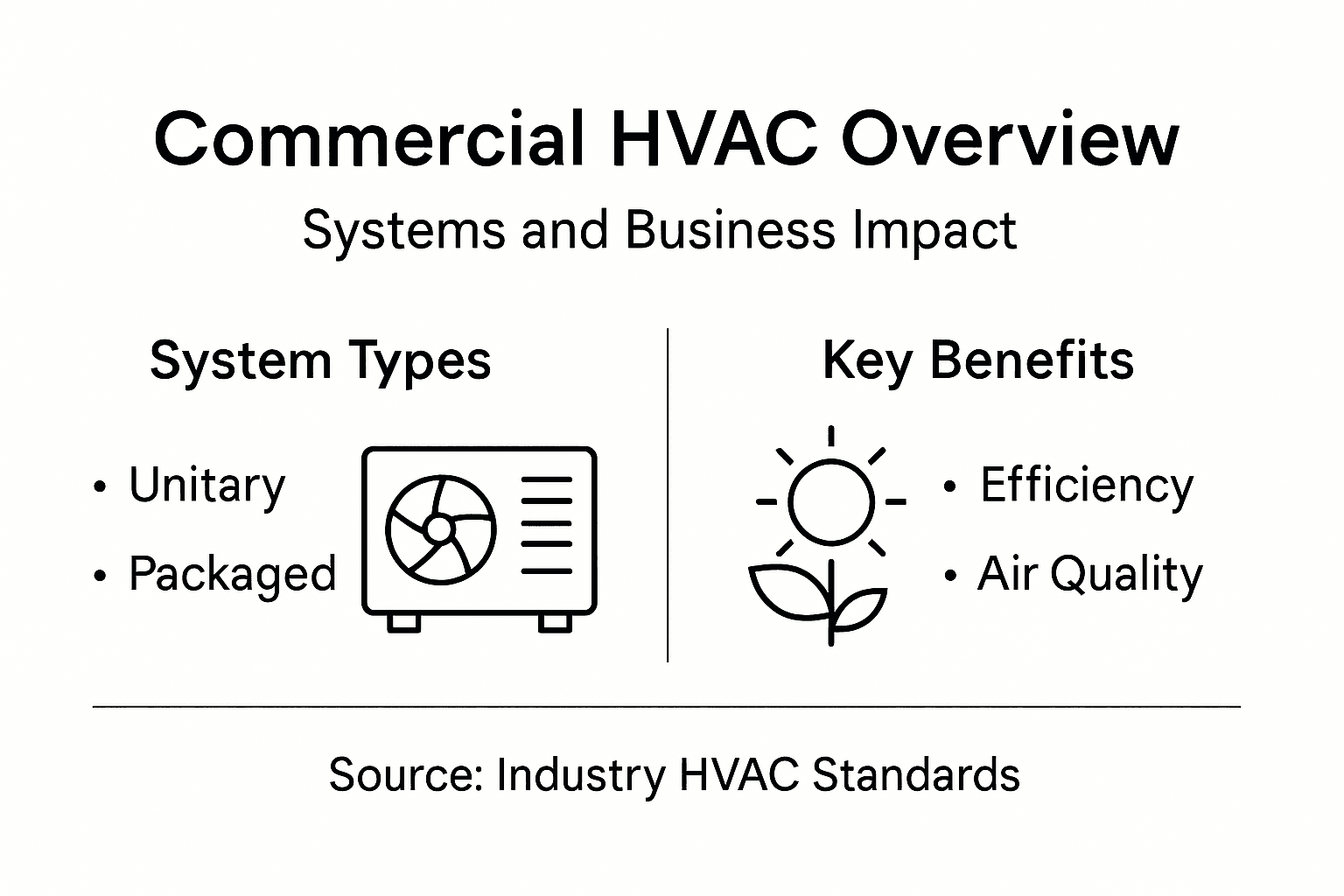
Effective energy management strategies can dramatically impact a commercial HVAC system’s financial efficiency. Whole-building design integration allows for expanded comfort zones and more nuanced environmental control, potentially reducing energy expenditures while maintaining optimal workplace conditions. Strategies like implementing variable speed drives, utilizing energy recovery systems, and adopting smart building automation technologies can create substantial economic advantages. Regular maintenance, precise system calibration, and proactive performance monitoring further contribute to minimizing operational costs and extending equipment lifespan.
Pro tip: Conduct a comprehensive energy audit and invest in advanced monitoring technologies to identify potential efficiency improvements and optimize your commercial HVAC system’s economic performance.
Maintenance, Repairs, and Compliance Needs
Maintaining a commercial HVAC system requires a strategic, comprehensive approach that goes beyond routine inspections. Preventive maintenance strategies are critical for sustaining system efficiency, reliability, and indoor air quality. Businesses must develop robust maintenance protocols that address both immediate operational needs and long-term equipment performance, focusing on proactive interventions that prevent costly breakdowns and extend system lifespan.
Compliance with industry standards and regulatory requirements forms a fundamental aspect of commercial HVAC management. Multiple codes and standards govern system design, operation, and maintenance, including ventilation requirements, energy conservation mandates, and indoor air quality regulations. Key standards like ANSI/ASHRAE 62.1 for ventilation and ANSI/ASHRAE 55 for thermal comfort provide comprehensive guidelines that businesses must carefully integrate into their HVAC management strategies. Regular testing, calibration, and documentation become essential to demonstrating ongoing compliance and maintaining safe, efficient environmental control systems.
A comprehensive maintenance program should include systematic approaches to equipment monitoring, component replacement, and performance optimization. Critical maintenance activities include regular filter replacements, comprehensive system cleaning, refrigerant level checks, electrical connection inspections, and detailed performance assessments. Computerized maintenance management systems can help organizations track inspection schedules, log repair histories, and predict potential equipment failures before they occur. By implementing data-driven maintenance strategies, businesses can minimize unexpected downtime, reduce long-term repair costs, and ensure consistent system performance across complex commercial environments.
Pro tip: Develop a detailed, computerized maintenance tracking system that documents all inspections, repairs, and performance metrics to maximize your commercial HVAC system’s reliability and compliance.
This table highlights ways commercial HVAC maintenance enhances business outcomes:
| Maintenance Action | Business Benefit | Long-Term Impact |
|---|---|---|
| Preventive inspections | Fewer emergency repairs | Reduced downtime |
| Regular filter changes | Consistent indoor air quality | Healthier work environments |
| System calibration | Higher energy efficiency | Lower operating expenses |
| Compliance testing | Regulation adherence | Avoids legal penalties |
Enhance Your Business Environment with Expert Commercial HVAC Solutions
Managing a commercial HVAC system that delivers reliable temperature control, energy efficiency, and air quality can be a complex challenge for any business owner. Whether you need scalable zone controls or preventive maintenance programs to reduce costly downtime, understanding the critical differences and operational demands of commercial HVAC systems is essential. Lucas Air Conditioning and Heating brings extensive experience and veteran-led commitment to help Central Florida businesses achieve superior comfort and lower operational costs with tailored solutions.
Explore our dedicated Commercial HVAC services crafted to meet the specific needs discussed in this article. Now is the perfect time to leverage our special offers for upgrades and maintenance by visiting Special Offers. Don’t wait until a system failure impacts your productivity. Visit Lucas Air Conditioning and Heating today to schedule an expert consultation and secure your business environment with dependable, energy-efficient HVAC systems.
Frequently Asked Questions
What is the purpose of commercial HVAC systems?
Commercial HVAC systems are designed to manage temperature, humidity, and air quality in non-residential spaces, ensuring optimal comfort and performance for large groups of occupants in various environments like offices, hospitals, and industrial facilities.
How do commercial HVAC systems differ from residential HVAC systems?
Commercial HVAC systems are larger, more complex, and often more modular than residential systems. They are engineered to serve expansive spaces, manage various environmental requirements, and accommodate fluctuating occupancy levels, while residential systems typically handle individual living environments.
What are the primary types of commercial HVAC systems?
The main types of commercial HVAC systems include unitary systems, packaged rooftop units, variable air volume (VAV) systems, and central plant systems. Each type is suited for different building sizes and operational needs, providing flexibility in environmental control.
How can businesses improve the energy efficiency of their commercial HVAC systems?
Businesses can improve energy efficiency by implementing energy management strategies such as whole-building design integration, utilizing variable speed drives, and adopting building automation technologies. Regular maintenance and system calibration also play crucial roles in optimizing performance.
